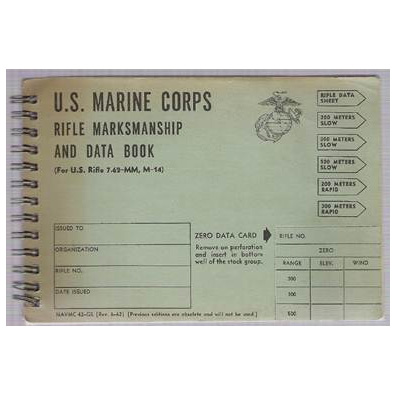
This should bring back a memory or two for you
Vietnam-era Vets!
Larry Woolverton
Category: Era
Marine Corps Scuba Divers
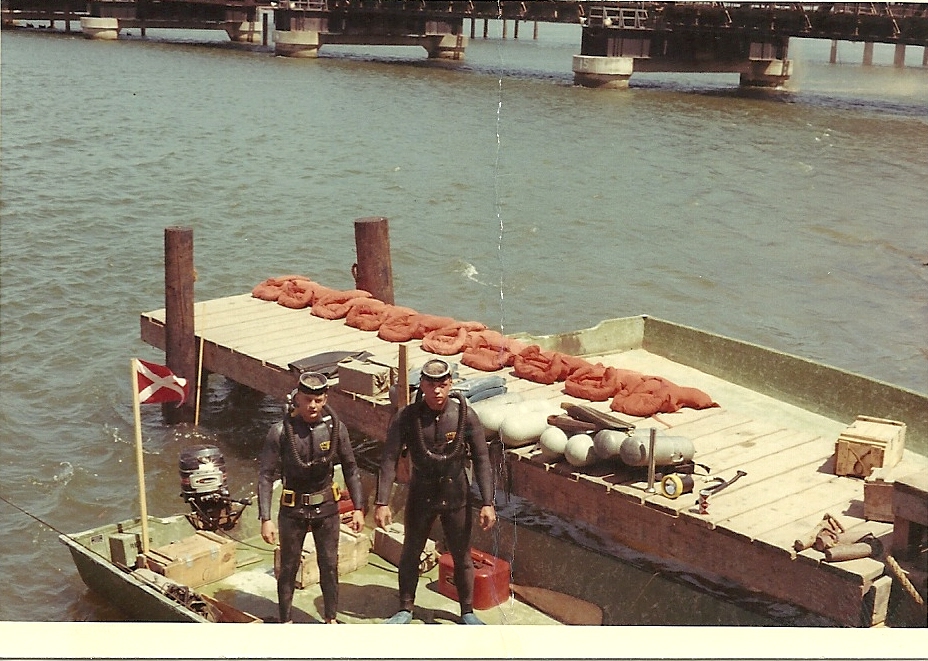
I was wondering why I can not find any information related to the USMC scuba divers that were in C- company 3rd or 1st MP Battalion Viet Nam 1967 to 1970. We helped in guarding the bridges from China Beach to Da Nang. Attached are a few pictures of me and some of the other divers. Would love to hear from anyone who was part of the team. Thanks!
Honor Guard
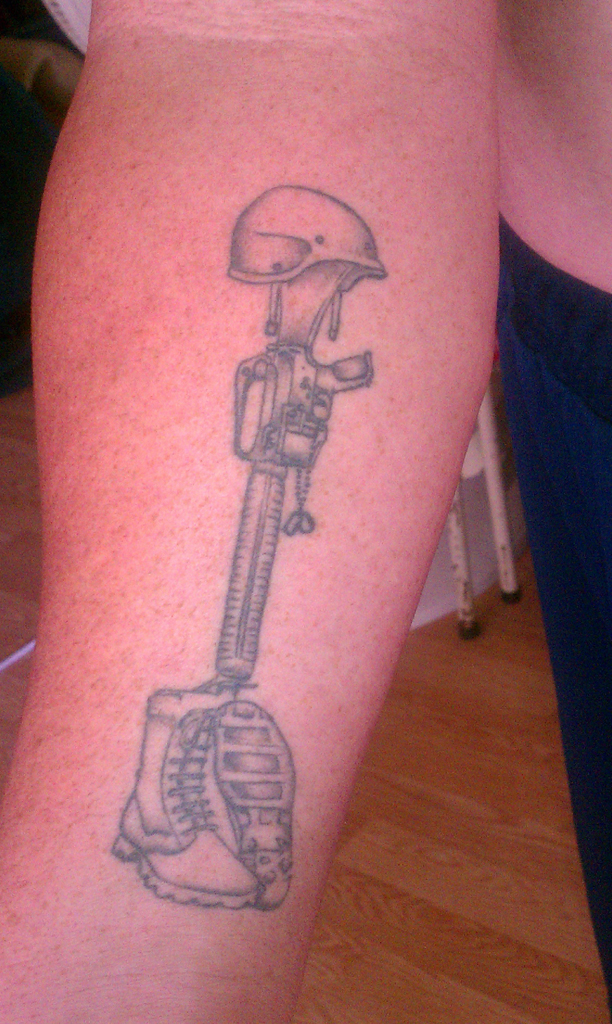
Saturday's newspaper dated 22 Sept 2012, myself (second with rifle, M1 Garand) with others from the Honor Guard. The forth is Terry Reams also a Marine, Marine Corps League, Mt St. Helens D889 and American Legion Post 175, Castle Rock, WA. This was at the VFW post, Toutle, WA. My 75 birthday was on Wed this week.
Green Shirts
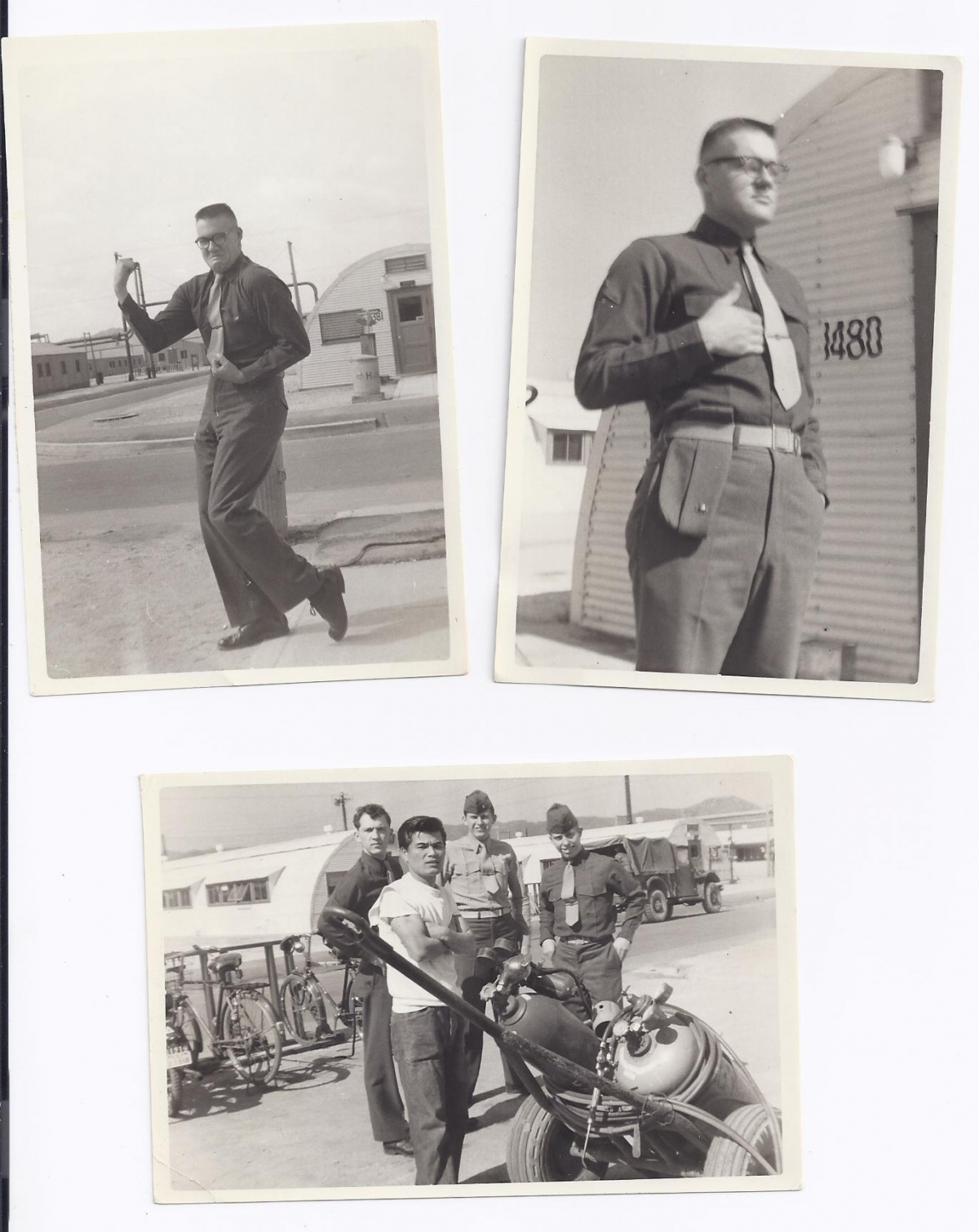
There have been many comments about the Green Shirts in the last few newsletters. I thought you might like some pictures of same, taken at MCAS Iwakuni, Japan, either 1957 or 1958.
LCpl Phil Urquhart, 56-59
1615090
Pictures from 65th Anniversary of flag raising on Iwo Jima – Parade Sacaton, AZ
Sgt. Grit,
This last Saturday I had the honor to be able to attend the 65th Anniv of the Flag Raising on Iwo Jime Parade in Sacaton, Az home of Ira Hayes.
Attached are pictures that I took at the parade on Saturday, due to the cold & rain my wife and I could not stay for the entire parade we were there for the first 90 minutes of the parade and it was only half done when we left. We were very disappointed that we were not able to stay for the events scheduled after the parade.
Iwo Jima

Yanks Assault Iwo Jima
Harry Pearce, USMC, Deceased
 "On a very cold final day of 2009 we laid to rest Harry Ash Pearce, an 87 year old World War II? Veteran.? An active Marine Corps Honor Guard participated in the service and flag folding, along with our local Marine Corps League accompanied by the sweet sounds of the pipes bewailing our blessed hymn.
302nd Seabees Peleliu Photo
 Submitted by John Ratomski
Photograph caption reads:
Peleliu was invaded on September 15, 1944. Pontoons were under the direction of Lieut.-Comdr. Littlejohn. Peleliu had been Jap-held for twenty years and it was the nearest strike, at the time, to the Philippines, some six hundred miles to the west. The reef was five hundred yards off-shore and entailed the longest causeway construction from ship to shore up to that time in the Pacific. The reef was in perfect Jap mortar range and they kept it well covered. Barges stood in close to refuel small craft and LVT's as the Marines kept driving further inland to stop the mortar fire. Surf delayed unloading operations as heavy seas broke over the causeways. A few days later, a new landing was made on the other side of the island. Tanks and guns came ashore and the Marines were fighting steadily on against the stubborn defender who was doomed.
Peleliu Pictures


Pelelui Revisited

I have had the privilege and honor of visiting many of our WW2 Marine battlefields over the years and this past January, I visited Peleliu for the second time. With almost a full week of exploration, I was able to traverse much of the battlefield and get a feel for the terrain that our Marines dealt with in 1944. While the jungle has taken over much of the battlefield, one can still readily see how impossible the terrain was……craggy, sharp coral dominates the battlefield, whether it be low-lying coral ridges or the Umobrogal Mountains. I can't imagine fighting there, especially considering that in September 1944, there was very little foliage and the temperatures hovered around 100 degrees. We explored Bloody Nose Ridge, Pope's Ridge, the Point, and the coral Badlands, just to name a few. Signs of a desperate, horrific fight were everywhere. A Japanese tank still sits on the airfield where it was taken out by the 5th Marines…LTV's can be found…….shrapnel and battlefield debris are everywhere. We climbed and crawled through Bloody Nose Ridge, stopping at each fighting position, marveling at how the 1st Division Marines conquered a dug in enemy. While Iwo Jima and Tarawa hold much of our attention in Marine Corps history, Peleliu is arguably the toughest battle our Marines fought in WW2, when you consider the ferocity of the enemy, the climate, and the terrain.